Jira boards are command centers for multiple teams and their daily workflows. This agile board setup helps coordinate the team's efforts across various company managed projects. Whether you’re managing a sprint or juggling complex projects, these boards can totally change how your team collaborates and tracks progress by leveraging agile methodology.
In this article, we’ll show you the best Jira board hacks to help your team stay organized, improve efficiency. We will also look at how useful add-ons and plugins can be.
{{key-takeaways}}
Introduction to Jira Boards
What is a Jira Board?
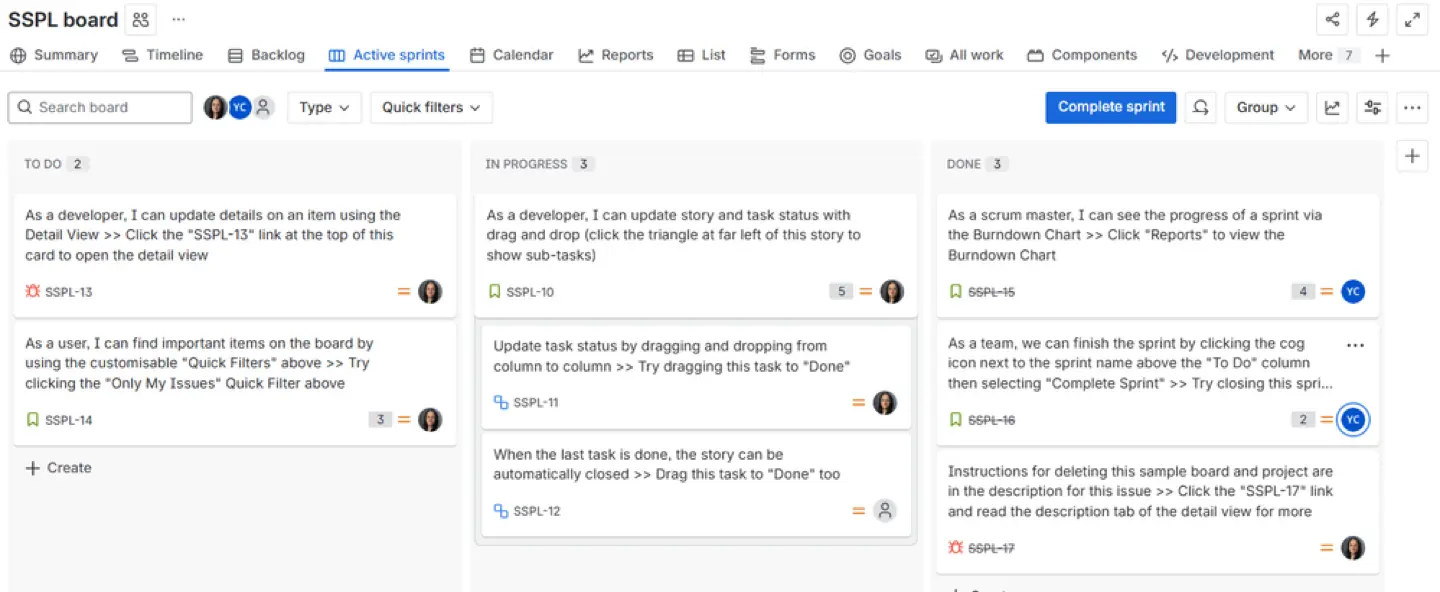
A Jira task board is an agile tool that helps software development teams plan work, visualize, and manage work. It displays issues in columns, where each column represents a step in your workflow. This gives everyone a clear view of which tasks are just starting, currently in progress, or finished. These boards are essential for Agile methodologies, including Scrum and Kanban, and they provide teams with clarity and efficiency.
While Jira boards excel at task visualization, tools like ActivityTimeline enhance their functionality by integrating advanced features like Jira resource management and workload management.
How Does a Jira Board Differ from Jira Project?
A Jira project collects all issues required to achieve a goal. These projects often live within larger company managed spaces to keep data organized. A Jira board manages those issues through their lifecycle. Boards are versatile and can adapt to unique team workflows:
- Scrum teams use boards to prioritize sprint issues.
- Kanban teams use boards for continuous work management.
- Larger teams may use multiple or cross-project boards to manage complex workflows.
Visual Workflow Representation
Visual workflows are key to good project management. In Jira, this is brilliantly achieved through the use of boards, which offer a clear, visual representation of your team’s workflow.
To start, you can select create board from the dropdown menu in Jira. You can even base it on an existing saved filter to pull in specific tasks. Each column on a Jira board represents a different stage of the workflow, such as “To Do,” “In Progress,” and “Done.” Issues appear as board cards that move across these columns as work moves forward. This setup helps to track project progress and identify bottlenecks early on. If you see tasks piling up in one column, you can address the issue quickly to keep the workflow moving.
You can also grab valuable insights from the right panel that shows what tickets got flagged, blocked, or stuck, percentages of sprint and epic progress, etc.
Board Types Available in Jira
When it comes to staying on top of tasks and projects, Jira boards are your best friend. Let’s check out the most popular options.
Jira Scrum Board
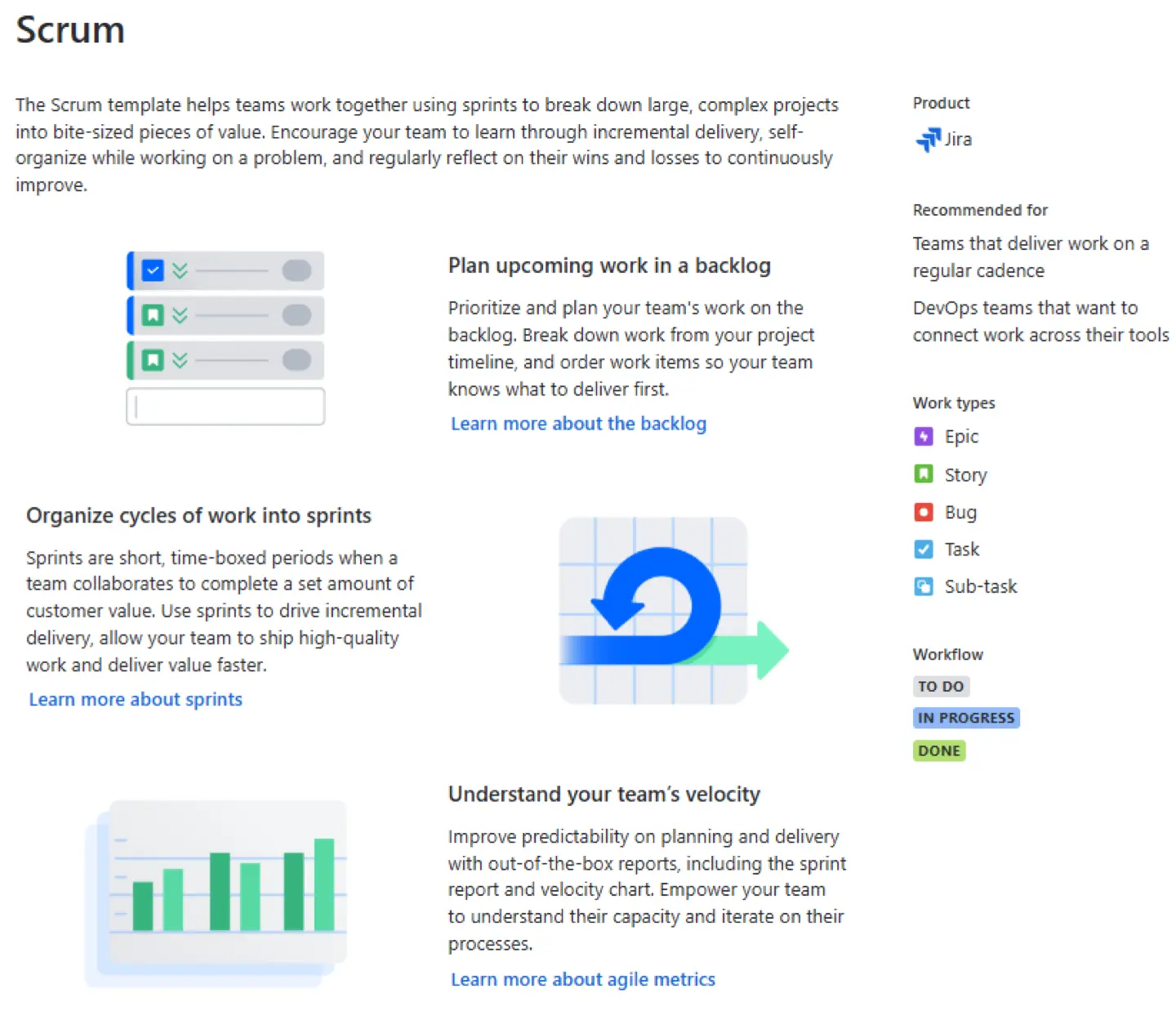
A Scrum board is the way to go if your development team follows the scrum framework. It’s perfect for planning and tracking progress on tasks. You can break down work into a scrum backlog, set priorities, and track progress with burndown charts.
The scrum team can see exactly what’s being worked on, what’s done, and what’s coming in the next sprint. It’s also great for daily stand-ups, keeping everyone aligned and focused. After a sprint ends, you can check sprint reports to see how the team performed. Scrum boards help you keep things clear and on track during sprint planning and make sure work is getting done efficiently.
Kanban Boards
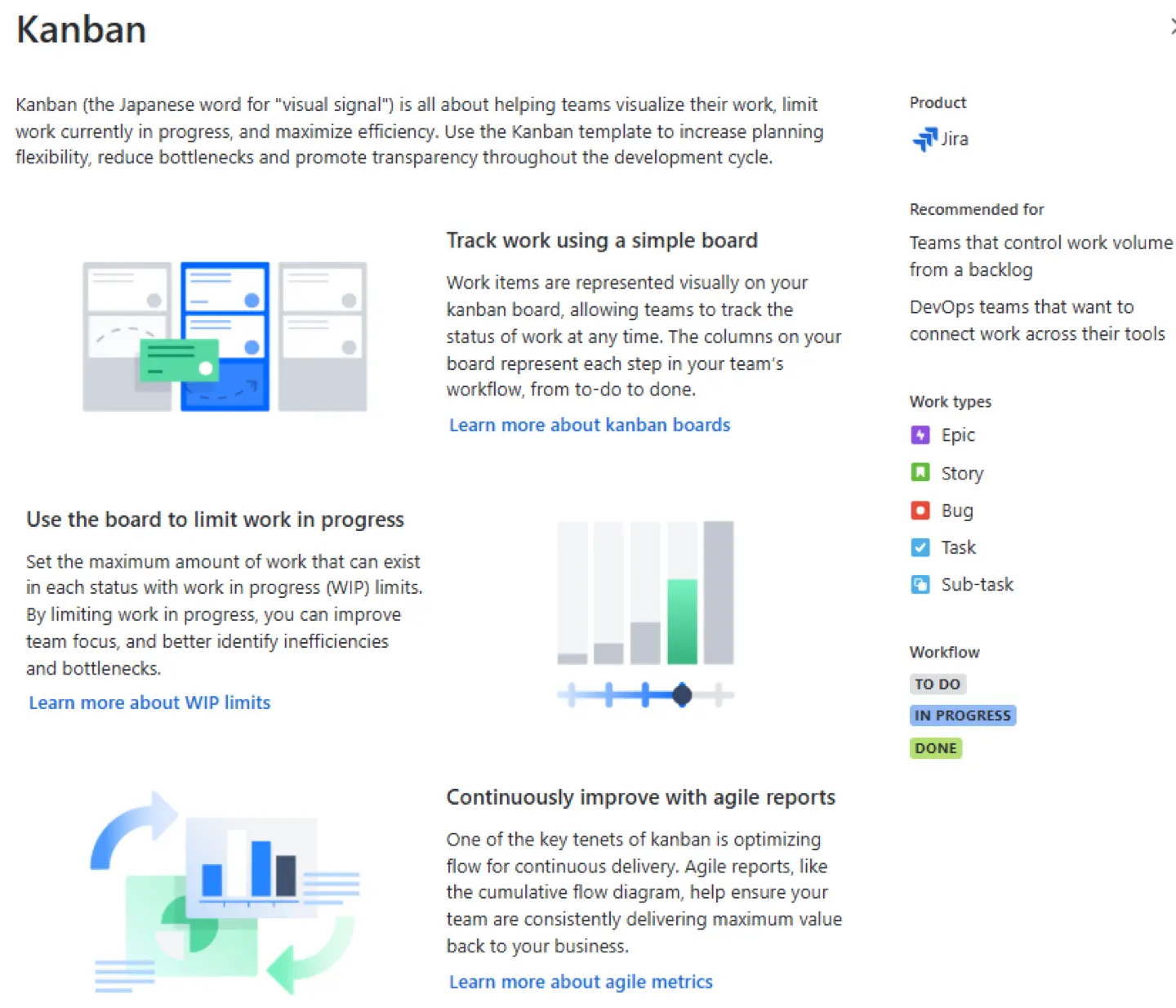
For teams working on a continuous flow of tasks, Kanban boards are the way to go. These boards focus on continuous delivery and continuous improvement. You can customize columns to match your workflow and set work in progress limits to avoid overloading your team. Plus, the cumulative flow diagram helps spot any bottlenecks so you can fix them before they slow you down. It’s a great choice for managing multiple projects at once, keeping everything flowing smoothly.
Sirius Technologies used Kanban boards but had a hard time seeing when tasks were actually due. They began using ActivityTimeline to plan their team's workload one week in advance. This gave them much better visibility into which tasks were delayed or at risk. Now, they can quickly find blockers and fix problems to keep the project moving.
Advanced Board Configurations
Jira isn’t just about basic boards. You can go all in with some advanced setups to fit your team’s needs.
Multiple Boards
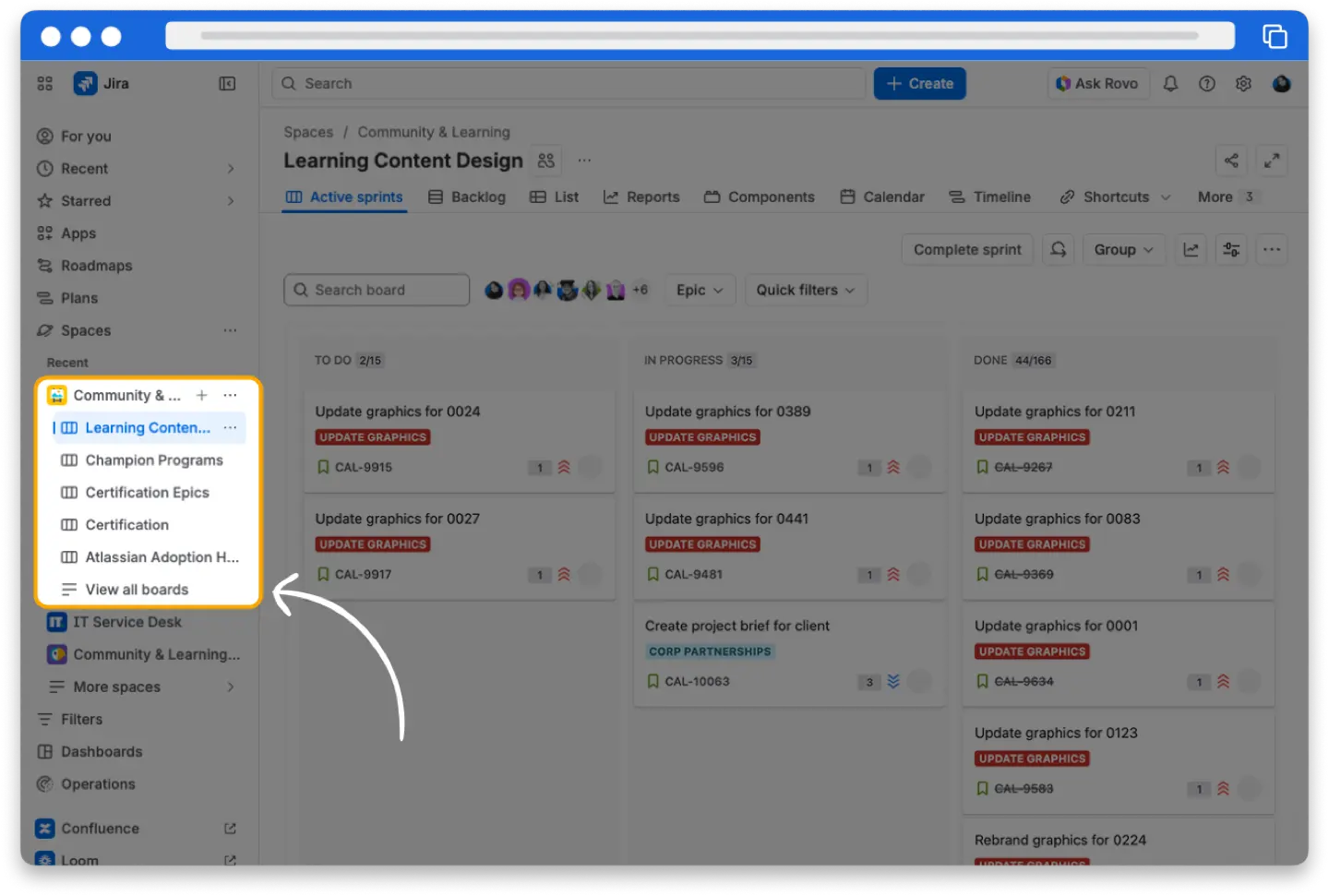
One of the coolest features is the ability to create multiple boards within a single project. This is perfect for team managed projects where people have different workstreams. Whether it's a team-specific workflow or a complex process with many stakeholders, having multiple boards helps you keep things organized and tailored to what your team is working on.
Cross-Project Boards
Got multiple projects on the go? Cross-project boards bring together issues from multiple projects into one view. You can drop issues from multiple sources into a single place. They are a game-changer for leadership teams that need a big-picture overview or for cross-functional teams that track progress across different areas. They’re also great for offering client transparency, with the added bonus of secure access, so clients can track the progress of their projects without compromising security.
Customizing Your Jira Board
Jira boards are super flexible, and you can tweak them to fit how your team works best. Whether you prefer a standard board view for daily meetings or a more customized setup, here’s how to create boards and make it truly yours.
Adding or Removing Columns
You can go into your board settings to customize the board's columns to match your workflow. Whether you need a column for code review or QA, setting up columns to reflect the stages of your process helps keep things organized and clear. Adjust them as needed to suit your team’s flow.
Using Swimlanes
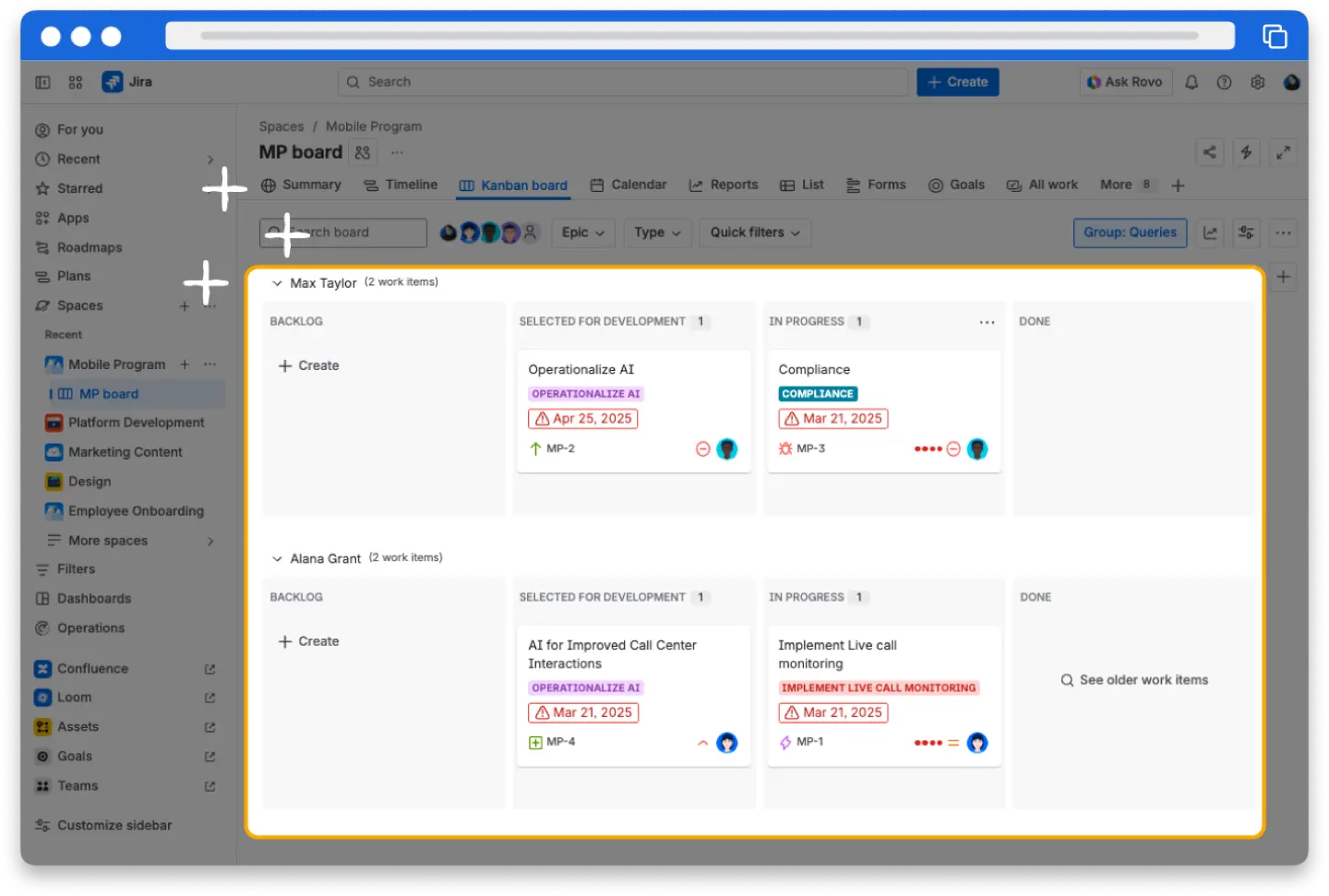
Jira Swimlanes are a great way to organize tasks by assignee, priority, or project. They give you better visibility, so you can see who’s working on critical tasks and what needs attention next. It’s like adding an extra layer of clarity to your board.
Custom Card Backgrounds
To make tasks stand out, add some flair with custom card backgrounds. Whether it’s a logo, image, or color, it helps with task visualization and makes your board more visually appealing.
Automation Rules
Want to automate some tasks? Jira automation lets the team set up rules to keep things running smoothly. You can auto-close completed tasks, send daily reminders, or even automate sprint completions. It saves time and keeps things moving without extra effort.
- Automatic Status Updates: Let your board do the work—issues jump to "In Progress" as soon as they’re assigned or work kicks off. No manual updates are needed.
- Auto-Close Completed Tasks: Once all subtasks are checked off, tasks slide into the "Done" column automatically, keeping things neat and tidy.
- Daily Task Reminders: Got tasks sitting idle in "To Do" or "In Progress"? Set up auto-reminders to nudge team members into action.
- Sprint Completion: Wrap up sprints effortlessly by auto-archiving completed tasks into a "Sprint Archive" column, leaving your board clear for what’s next.
Enhancing Jira Boards with ActivityTimeline
If you want to improve your Jira boards, ActivityTimeline is the perfect tool. It integrates seamlessly with Jira and adds powerful features like scheduling, resource management, and long-term planning to keep your team on track.
ActivityTimeline is designed to complement your Jira boards by adding tools for scheduling, resource management, and long-term planning. It fills in the gaps, making sure your team has everything it needs to stay organized and efficient.

How ActivityTimeline Improves Jira Board Usage
With ActivityTimeline, you can:
- Sync Jira board tasks with team schedules. This ensures your team’s tasks are aligned with their availability, helping avoid overloads and bottlenecks.
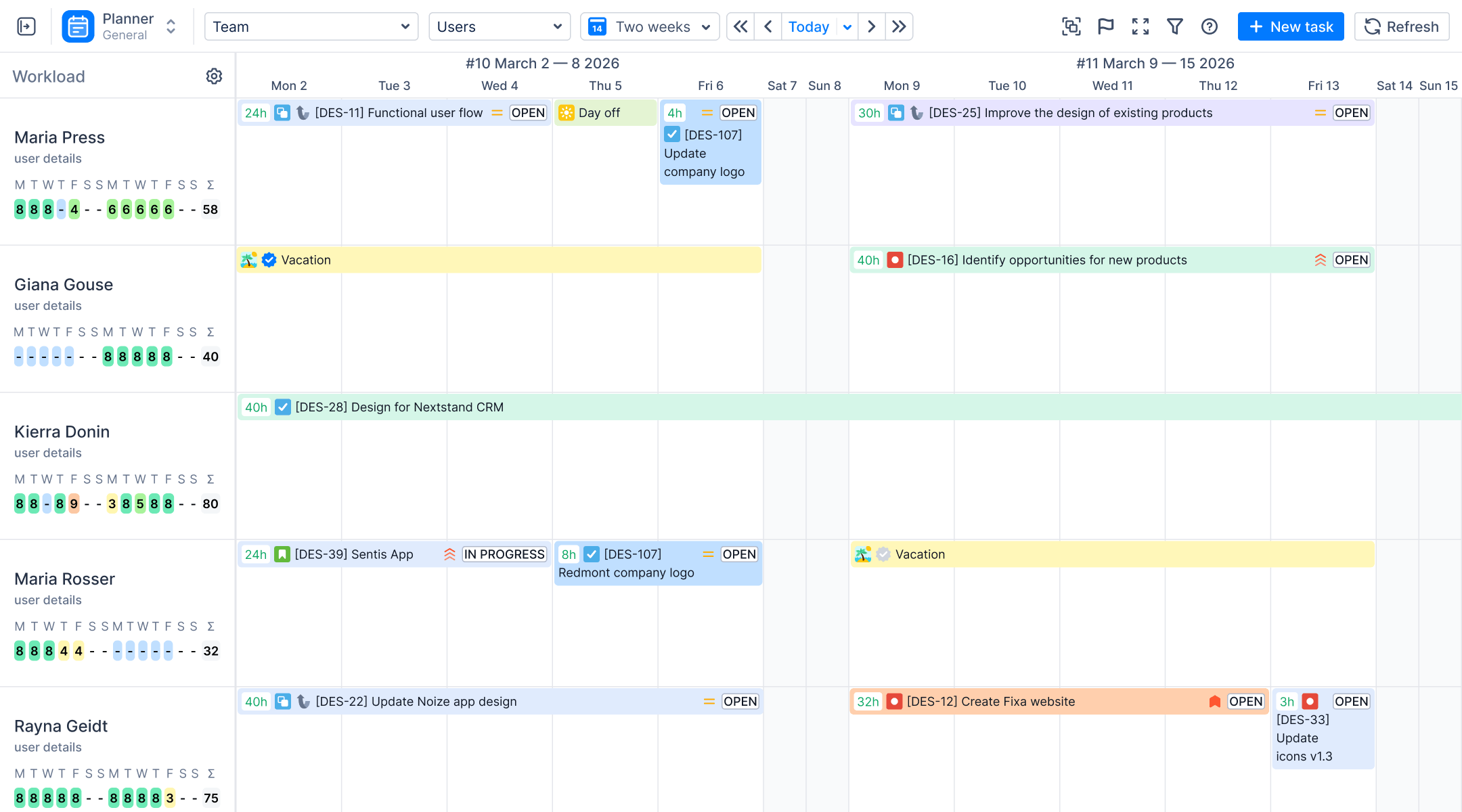
- Add resource management and workload visualization. See who’s doing what and when. You can also quickly find the right person for a task by searching for specific skills or positions directly on the planner.
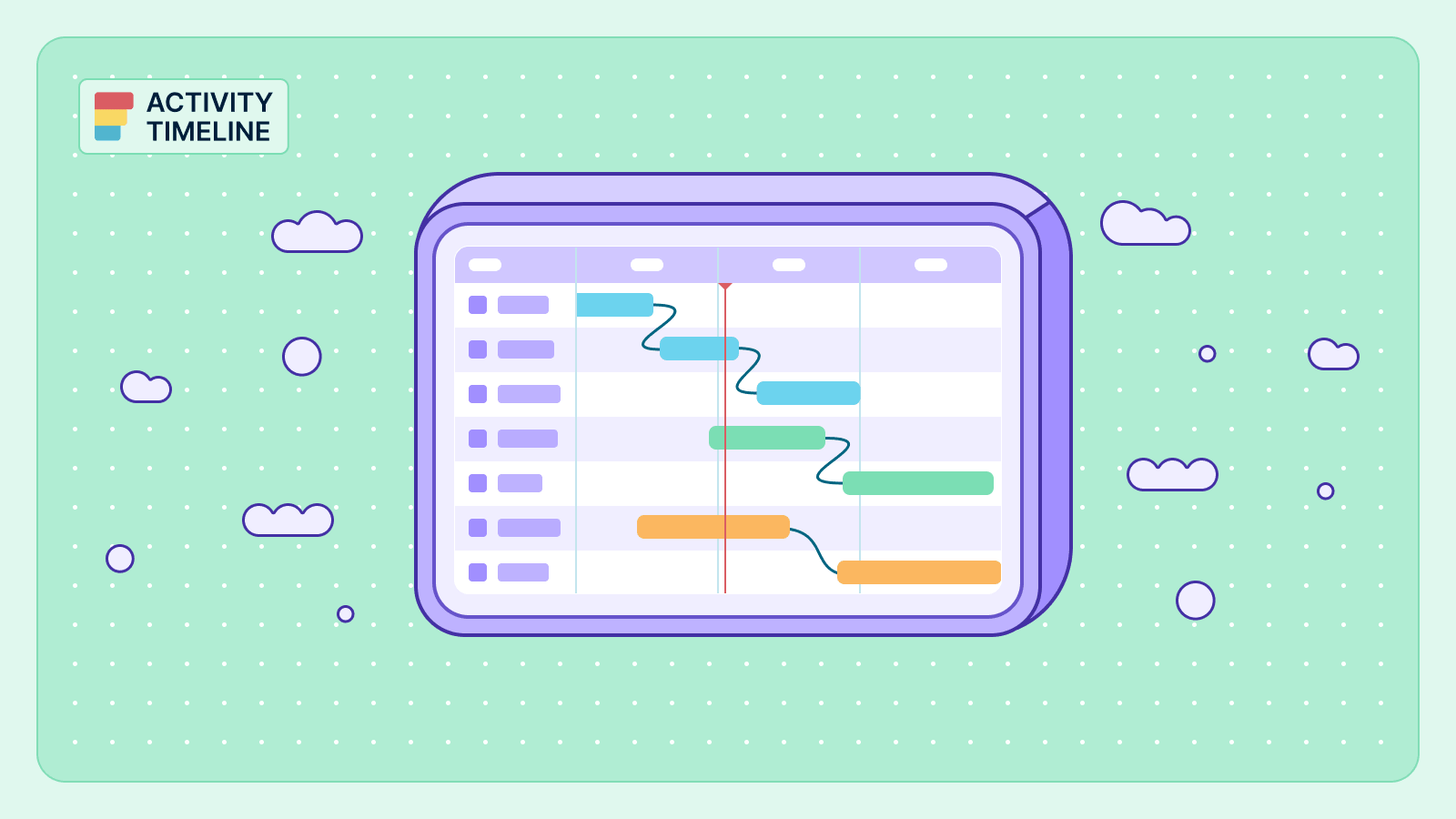
- Planning beyond the sprint? Enable long-term planning with timeline views. ActivityTimeline lets you visualize tasks over longer periods, helping you map out goals and priorities in advance.
- See task details without leaving Jira. The "Issue Split" tab in the Jira task window shows you exactly how work is spread across different days. You don't even need to open the Jira Project Dashboard.
- Keep data up to date instantly. Administrators can use a quick synchronization feature to refresh tasks and worklogs from a specific date using a built-in date/time picker.
How to Use ActivityTimeline with Jira Boards
Using ActivityTimeline with your Jira boards can seriously boost your team’s productivity and planning. Here’s how to get started and make the most out of this powerful integration.
Setting Up ActivityTimeline
First, you need to install and configure ActivityTimeline. Once that’s done, simply sync your Jira boards to ensure your tasks and team schedules work smoothly. Admins can synchronize users exclusively from specific Jira groups, giving finer control over who appears in ActivityTimeline.
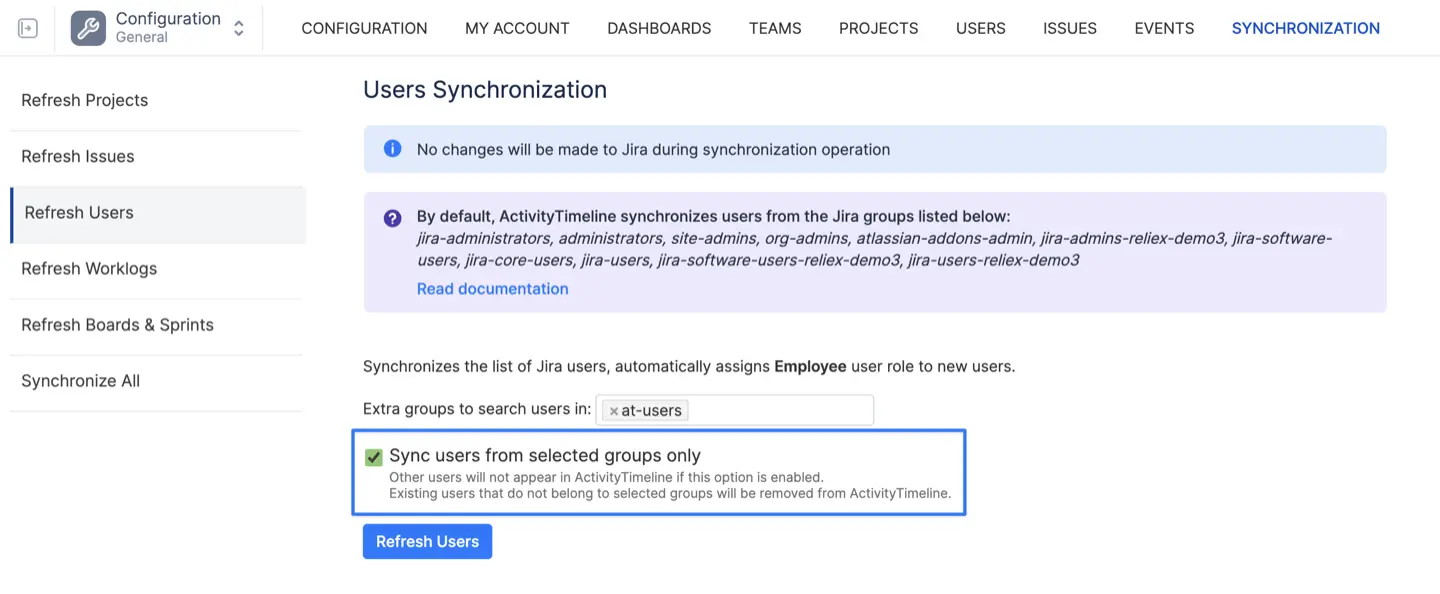
This setup ensures everything is in sync, and you’re ready to get started.
Integrating Jira Boards into ActivityTimeline Workflows
Once synced, you can view and assign tasks directly within ActivityTimeline. Its intuitive timeline view makes scheduling tasks, allocating resources effectively, and monitoring project progress easy.
Key benefits of Using ActivityTimeline with Jira Boards
ActivityTimeline makes it super easy to stay on top of your team’s activities across all Jira projects. With user and team timelines, you get a clear overview of what is going on. This helps you spot trends and make better decisions.
Here’s why you’ll love using ActivityTimeline alongside Jira boards:
- Enhanced task prioritization and resource allocation. Figure out what needs to be done first and see who is available to do it.
- Real-time updates for seamless tracking. Your team gets instant updates, keeping everyone on the same page.
- Improved visibility into workload and capacity planning. See at a glance how your team’s workload is distributed, making it easier to plan ahead.
Planning Dashboard Made Simple
Jira dashboard puts everything—projects, teams, and tasks—in one spot. From the Left Panel, you can see all your Jira projects and drag-and-drop tasks straight onto user or team timelines. Need to create a new task? No problem, just do it right there from the dashboard.
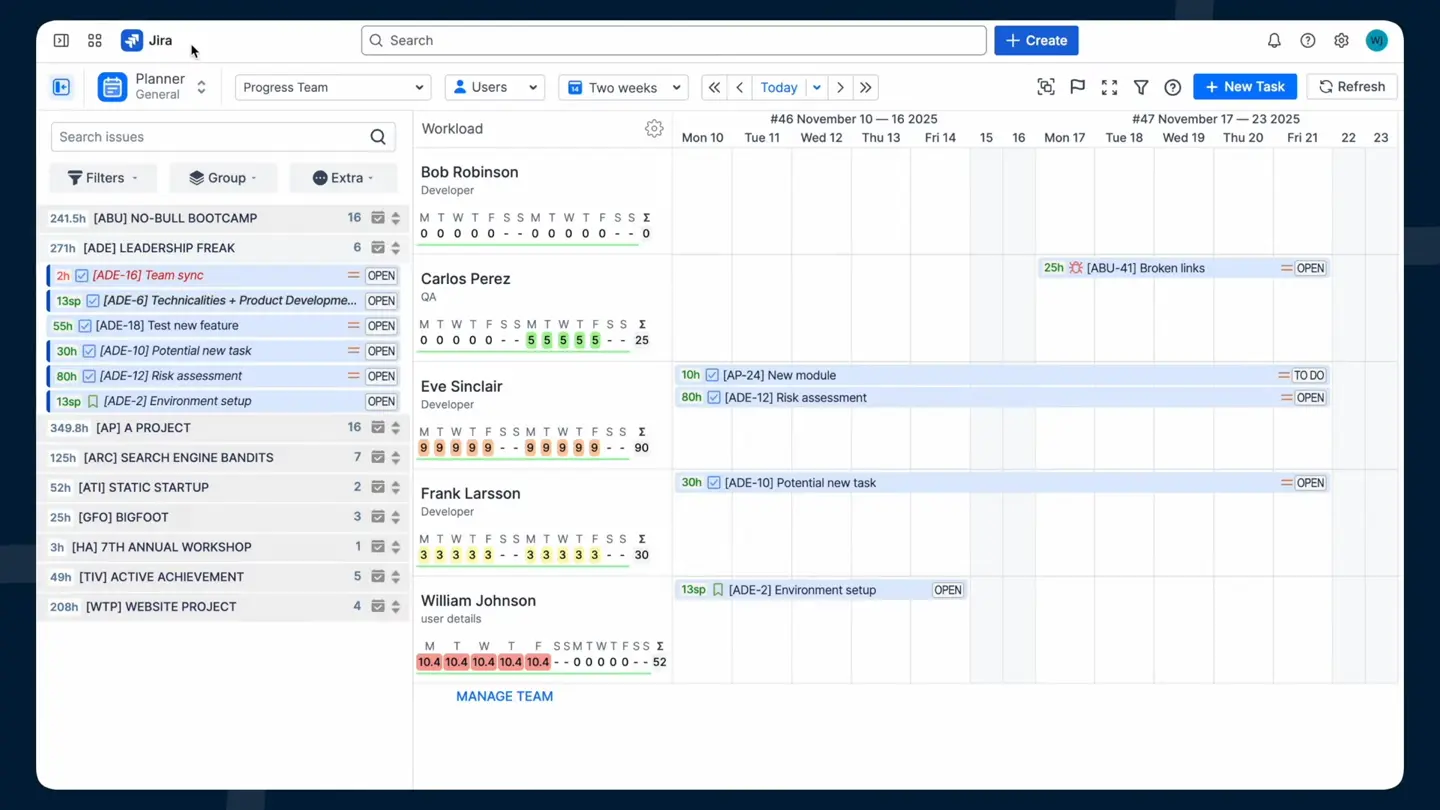
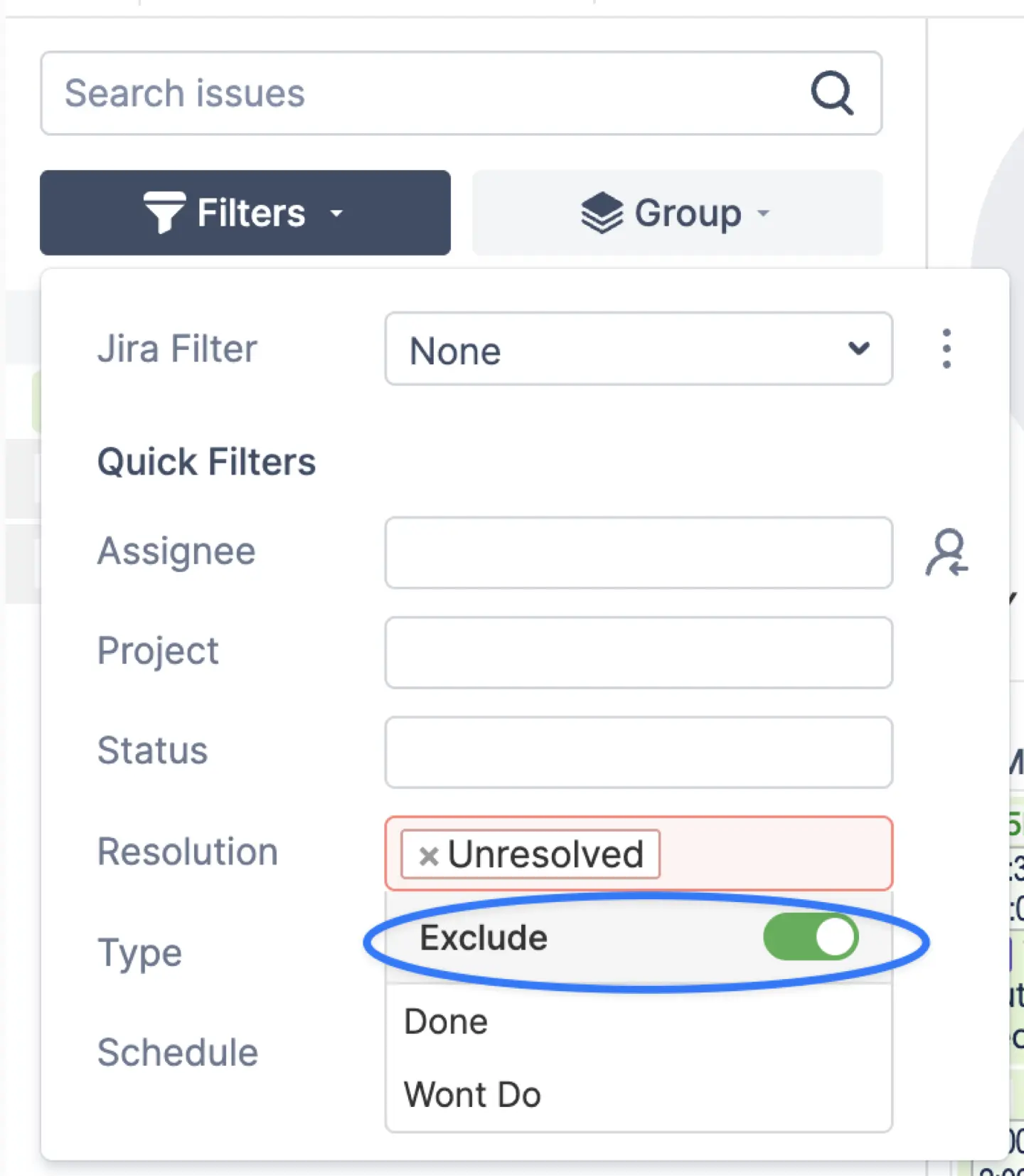
When creating tasks, the system automatically fills in default values for Jira custom fields to save time. You can also use an "Exclude" filter to hide irrelevant data and keep the view clean.
Each timeline comes with a workload indicator to show how busy someone is—or how much availability they’ve got.
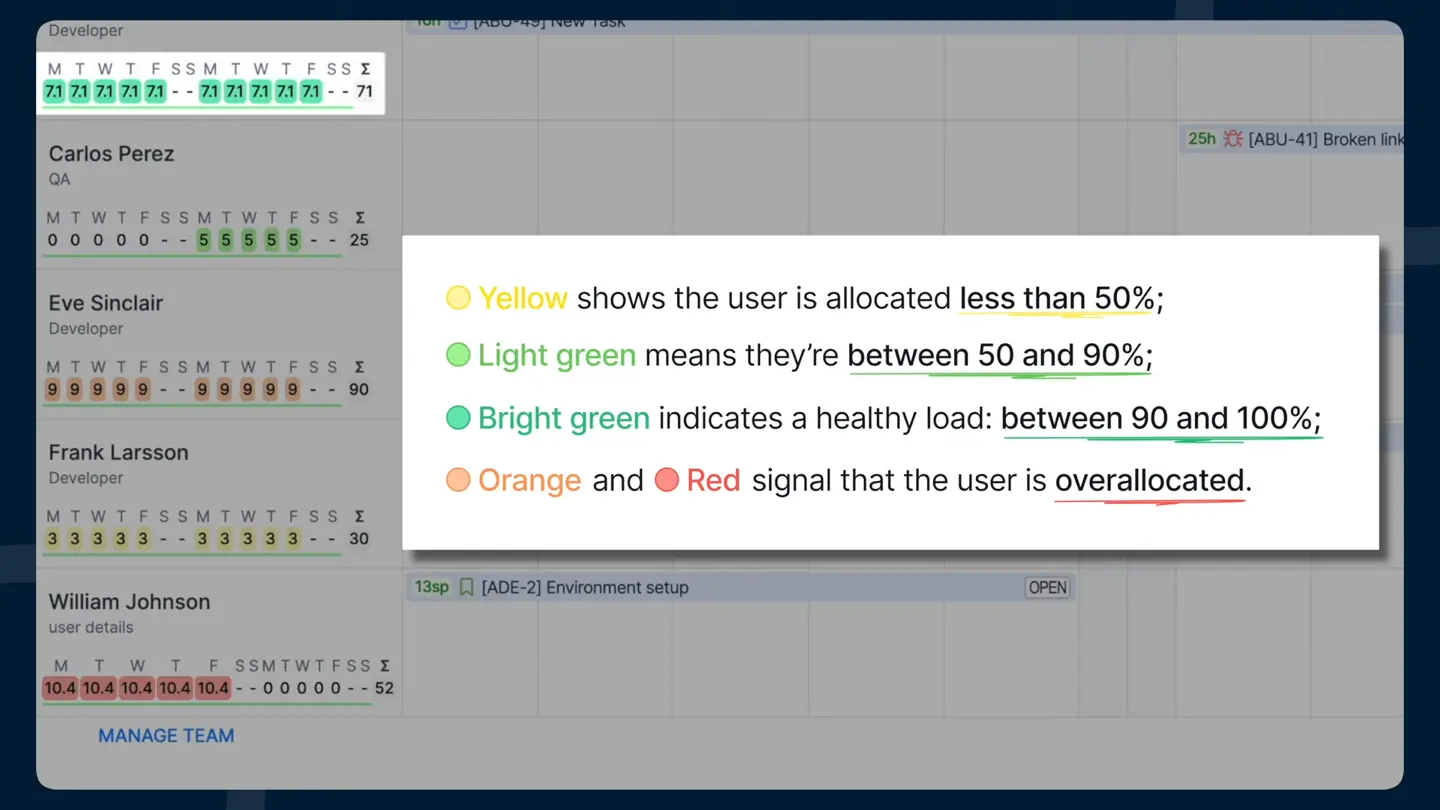
You can also switch it to show time in either hours or days, depending on your planning style.
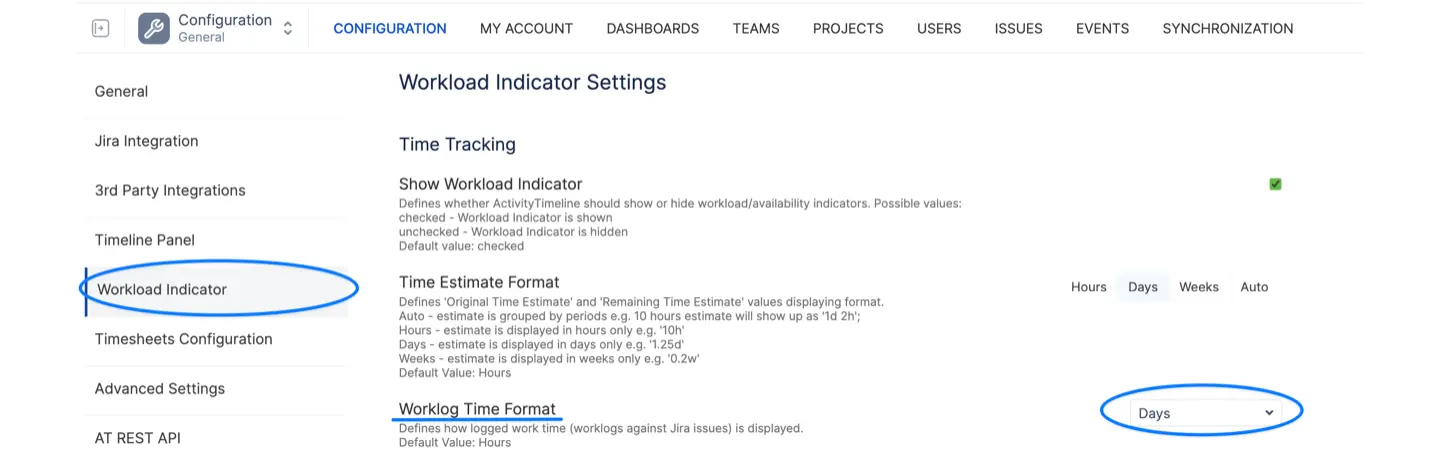
Plus, there’s built-in support for managing holidays, sick days, and other time off, so scheduling stays smooth.
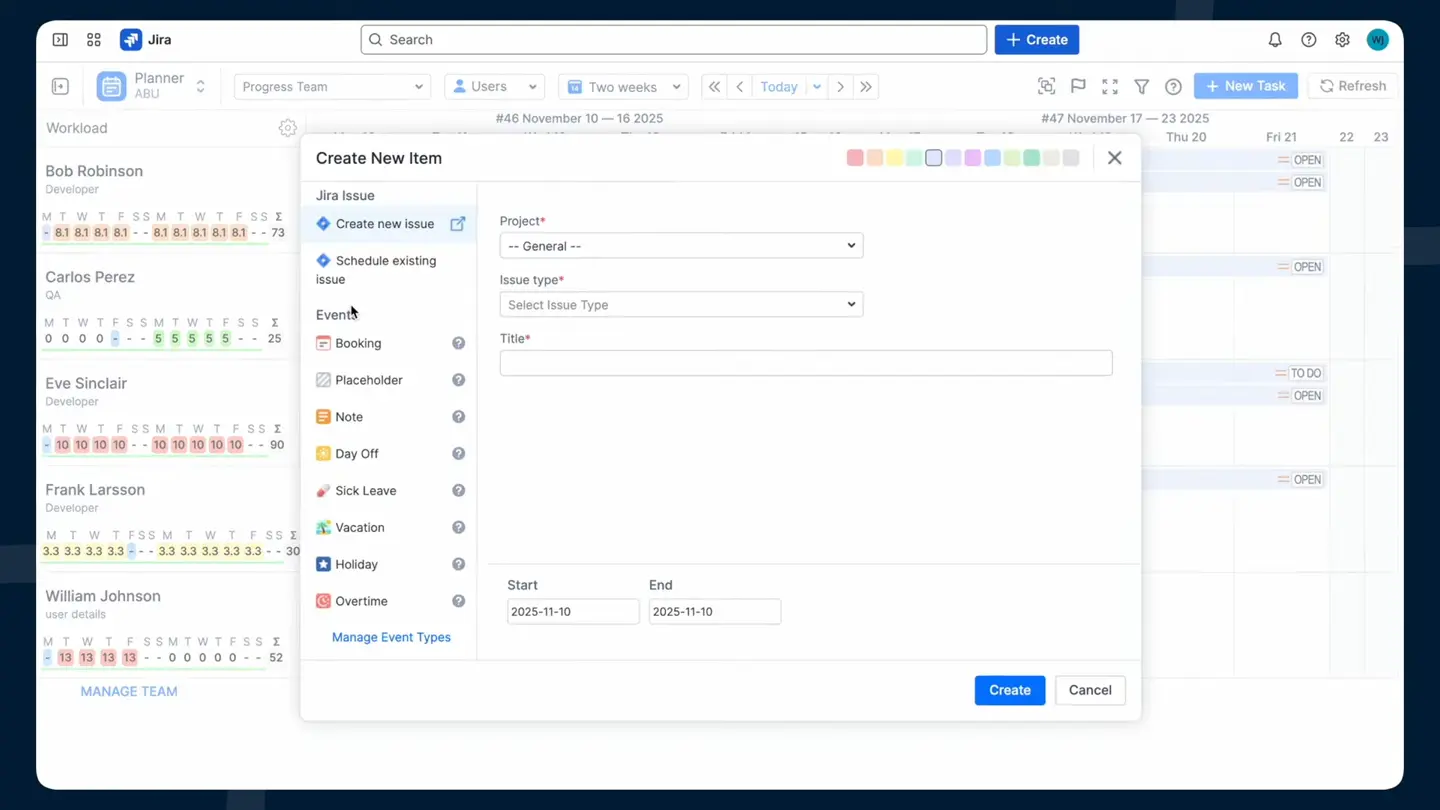
Team and Personal Planning Tools
Struggling to see the big picture for your team?
The Team Panel fixes that by giving you a clear, zoomed-out view of all team activities. It’s perfect for planning short-term or long-term projects. Managers can assign tasks to the whole team without needing to get into individual details, making workload tracking super easy.
Each team member gets their own workspace to manage schedules, track tasks, and log hours. It’s all personalized, so they can see deadlines, progress, and even whether they’re swamped or have free time.
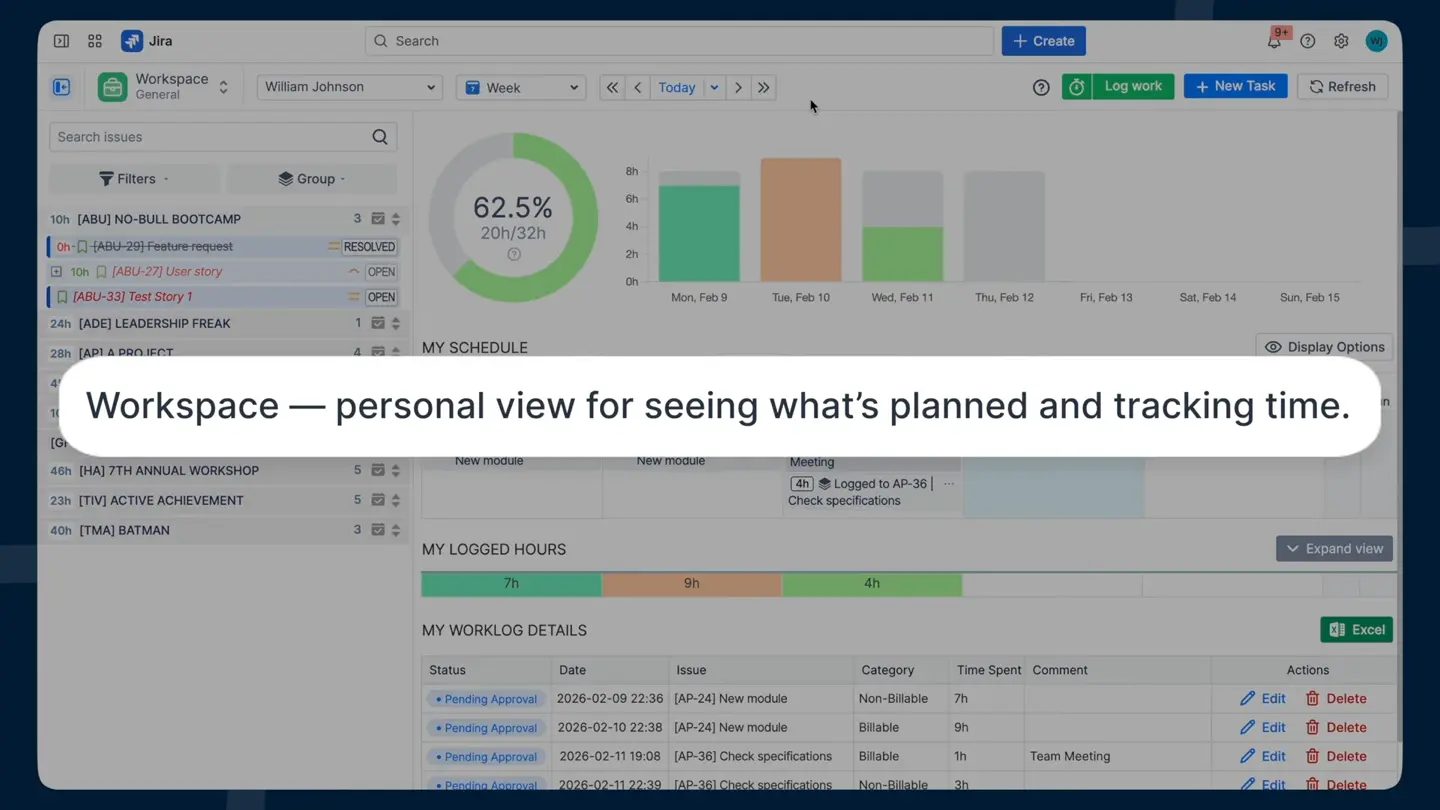
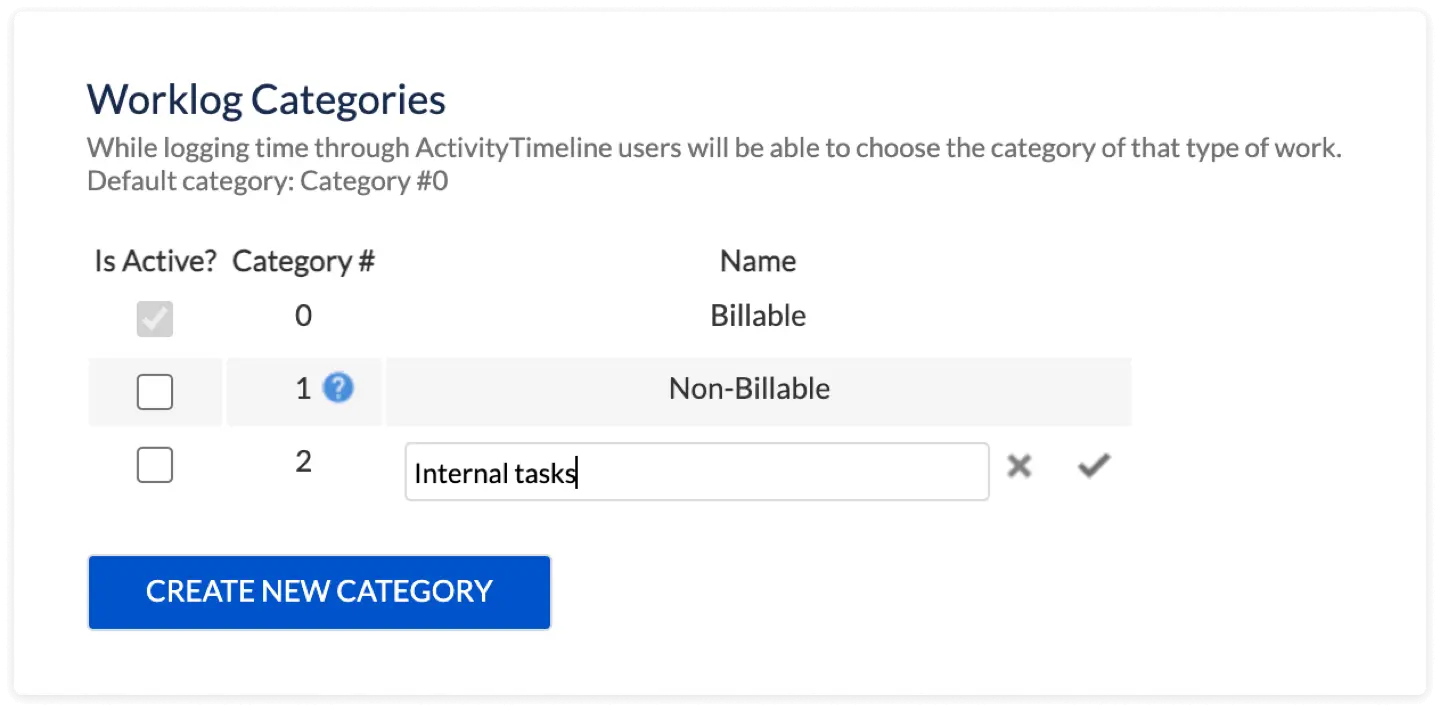
Need to log billable vs. non-billable hours? That’s all built right in too.
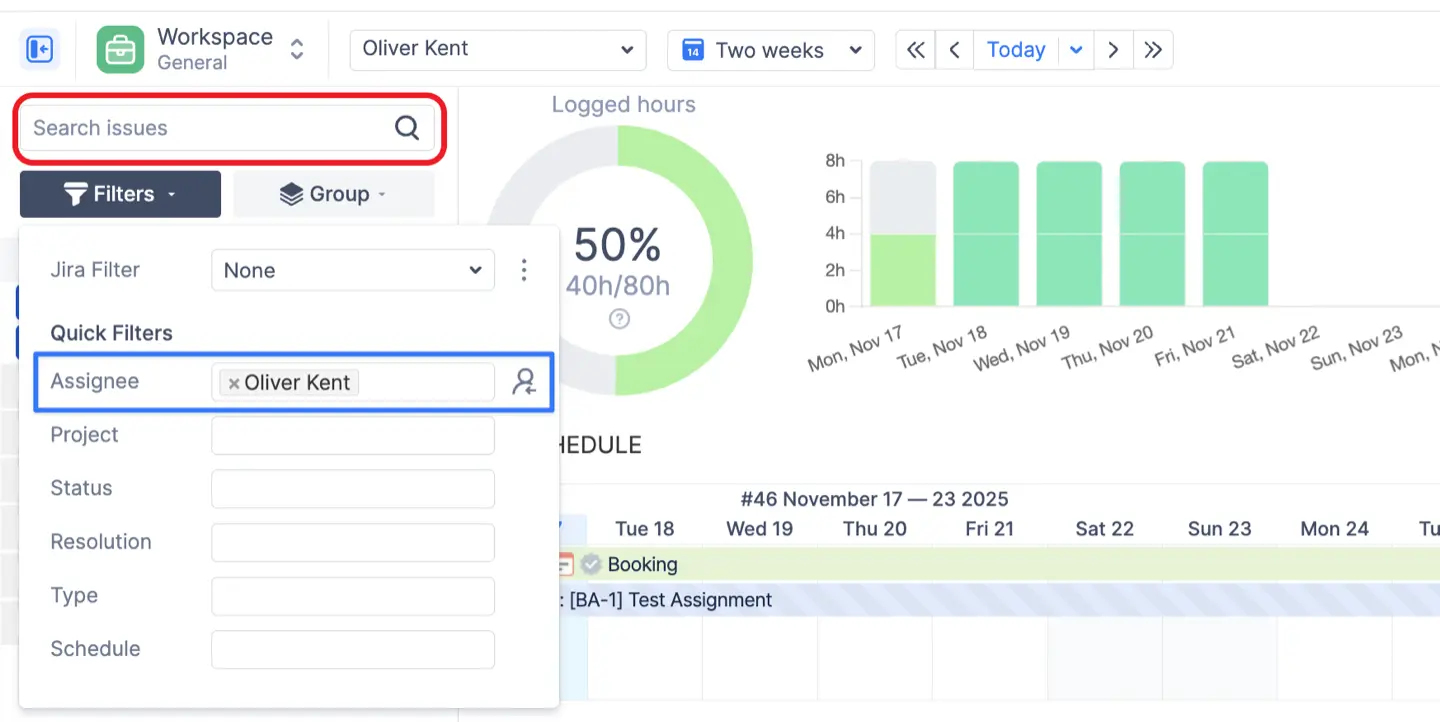
The workspace includes a global search and quick filters to find any accessible task quickly.
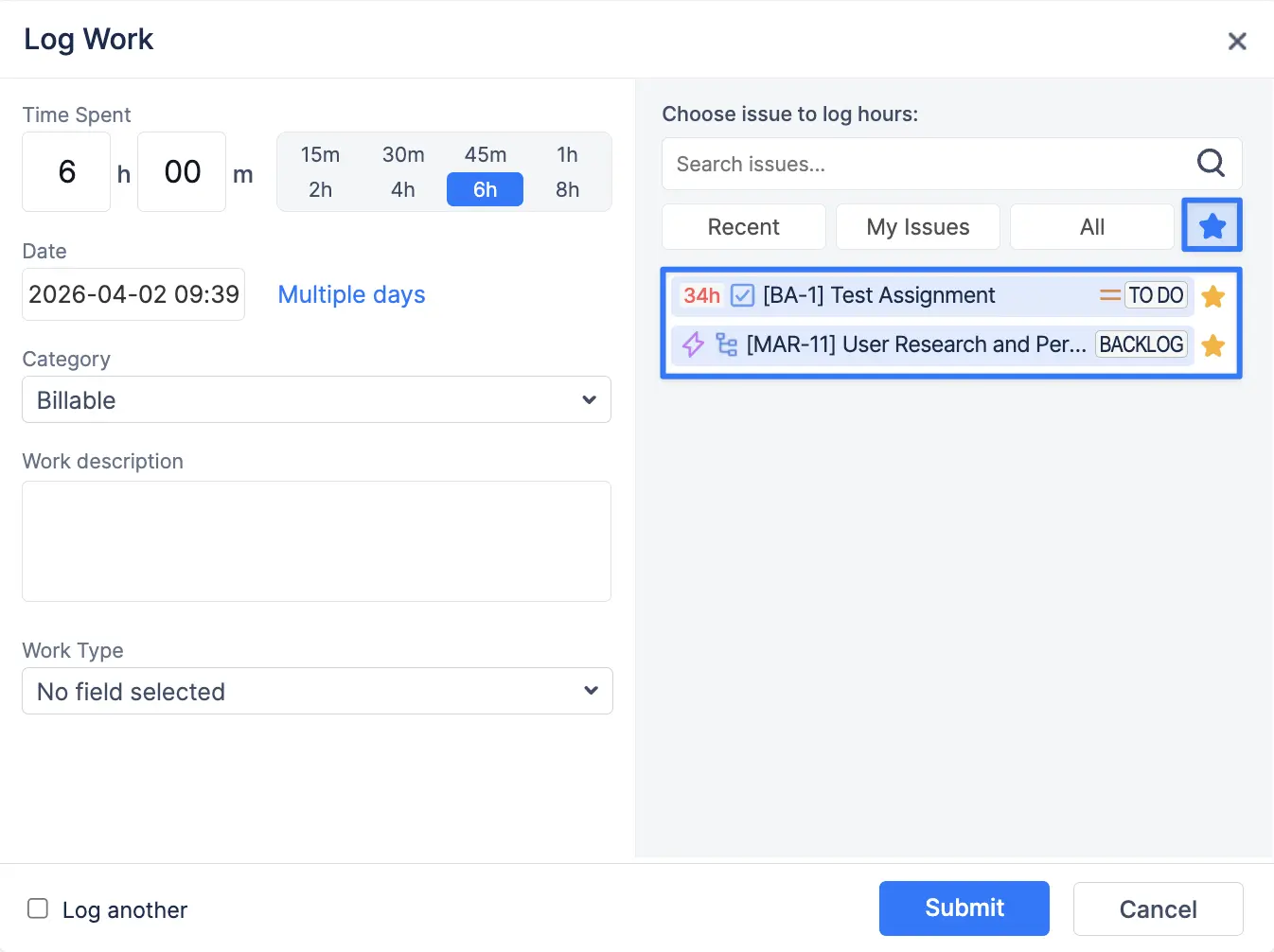
Also you can log time from Google Calendar events, use keyboard shortcuts for faster logging, or save frequent tasks as “Favourites.”
Advanced Timesheets and Reports
Keep tabs on your team’s performance with detailed timesheets. You can generate reports on projects, users, issues, or epics—whatever you need to stay in the loop.
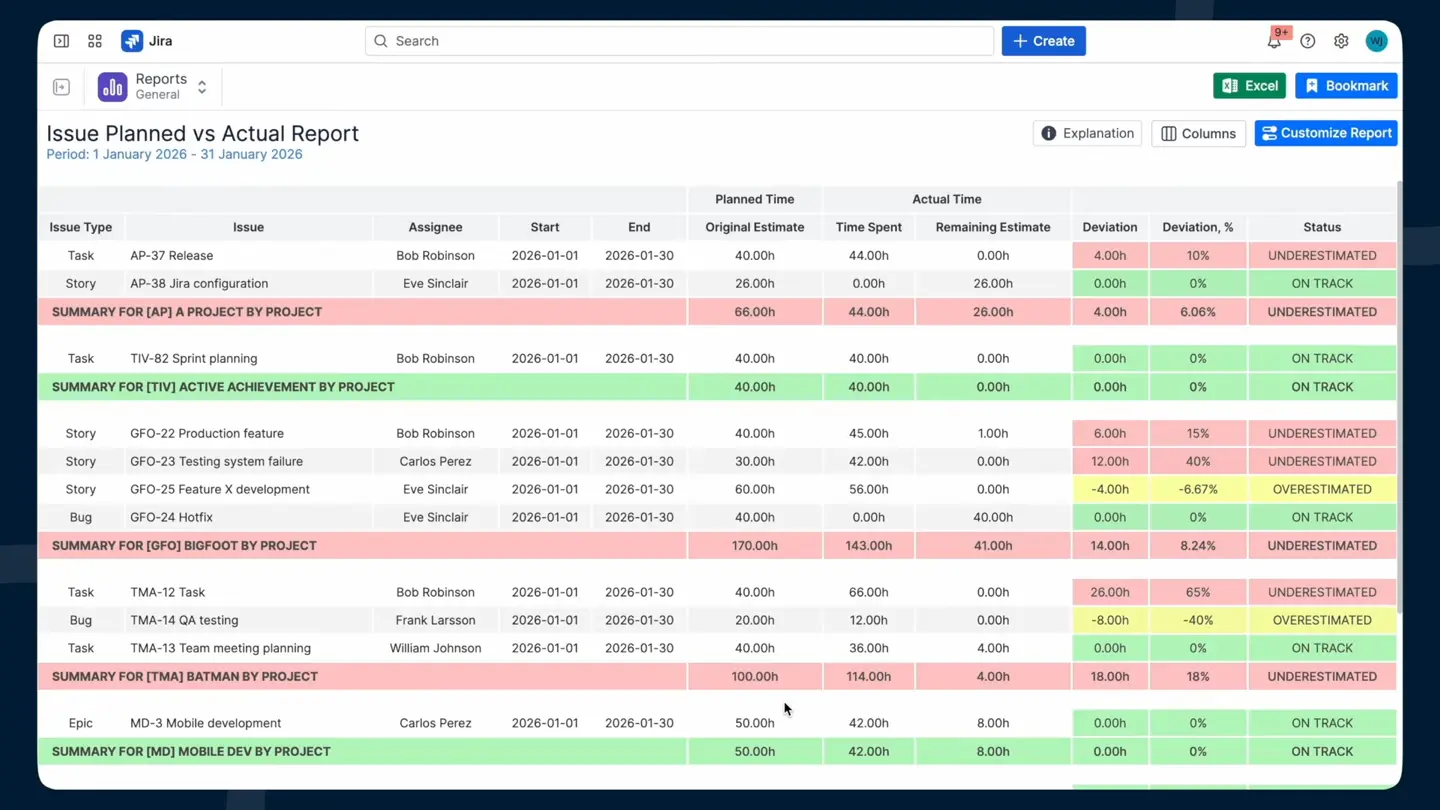
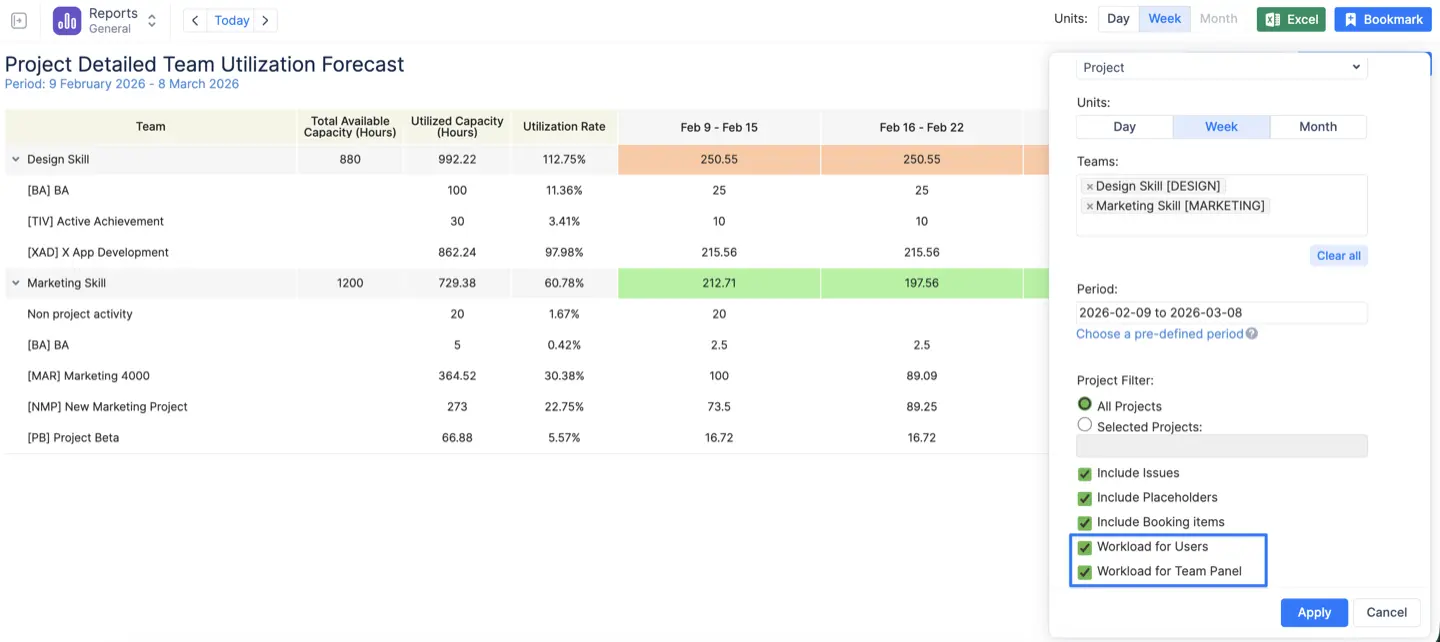
Beyond timesheets, ActivityTimeline offers advanced Jira reports and charts to dig into resource utilization. For example, the Planned vs. Actual report provides an overview of a team's performance over a specific timeframe. You can use it to compare the team's capacity against the work that was planned and the work that was eventually delivered.
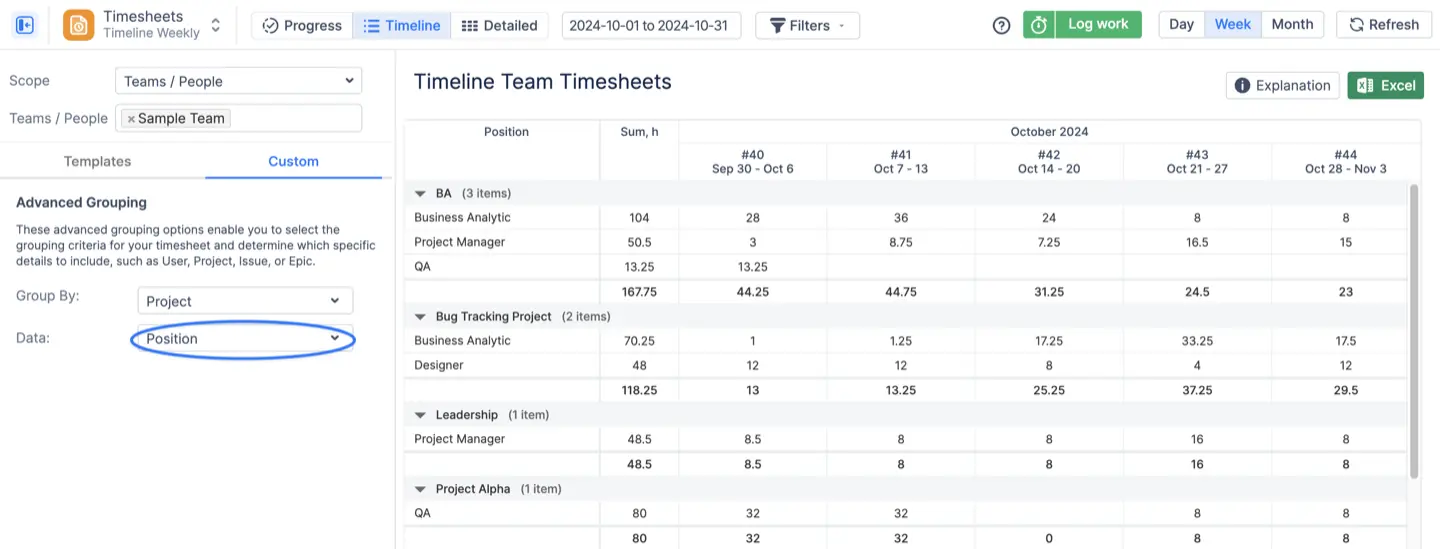
Reports are very flexible, allowing you to generate data for any period in the past without historical limits. You can also switch between individual and team views in capacity charts to forecast work more accurately.
How ActivityTimeline Can Enhance Jira Boards
Here’s how you can put its specific features to work:
Managing Agile Sprints
When managing Agile sprints, ActivityTimeline helps by syncing Jira tasks with your team’s capacity. You can use its timeline view to schedule tasks based on available resources and track progress in real time. This ensures sprint tasks are aligned with team capacity, ensuring no one is overloaded. For better accuracy, you can track progress using Story Points instead of just hours. This provides more precise metrics for Agile teams. With advanced charts and progress tracking, you can keep an eye on everything, ensuring tasks are completed on time.
Handling Urgent Issues
When urgent bugs hit, you can reassign tasks quickly without breaking the workflow. Use the workload indicator to see who is free. You can even search for team members by specific skills or positions to find the right expert instantly. The visual representation of tasks helps ensure that you find the right person for the job quickly and that the flow of work remains uninterrupted.
Long-Term Project Planning
For long-term project planning, ActivityTimeline provides timeline views where you can visualize dependencies and track multiple projects at once. This helps you plan for future work by forecasting workload and capacity. ActivityTimeline lets you set milestones and monitor progress across different projects, helping you avoid bottlenecks and ensure that resources are allocated efficiently over time.
Conclusion
Jira boards are indispensable for agile teams, providing a clear, visual way to manage workflows. By integrating ActivityTimeline, teams gain an added layer of efficiency through resource planning, workload management, and long-term project visualization. Explore the synergy between Jira boards and ActivityTimeline to elevate your team’s project and resource management strategies.